Exploring the Sacred Peyote Cactus: A Guide for Australian Enthusiasts
Peyote, scientifically known as Lophophora williamsii, stands as one of the most revered and fascinating cacti in the world. This small, spineless cactus has been used for thousands of years in traditional spiritual ceremonies, particularly by indigenous peoples of North America. Its unique properties and rich cultural history have made it a subject of great interest for botanists, spiritual seekers, and researchers alike. For those in Australia looking to explore this sacred plant, understanding its characteristics, cultivation requirements, and legal considerations is essential before beginning your journey.
Understanding the Peyote Cactus
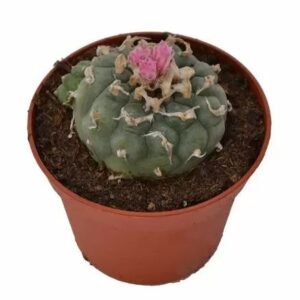
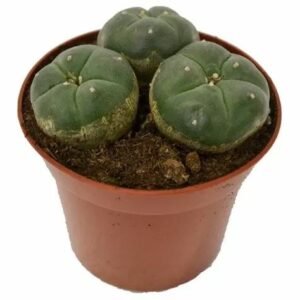
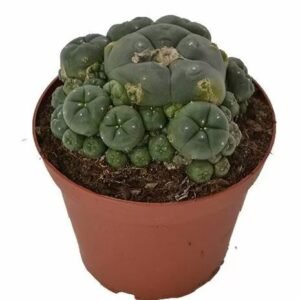
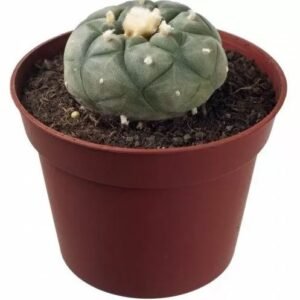
Peyote is a small, button-shaped cactus that typically grows close to the ground, often no larger than a few centimeters in diameter. Its distinctive appearance features a crown of soft, fuzzy tufts instead of sharp spines, with a bluish-green coloration that can range from pale to deep turquoise depending on growing conditions. The cactus contains a number of psychoactive alkaloids, with mescaline being the most well-known compound responsible for its profound effects.
Native to the Chihuahuan Desert region spanning parts of Mexico and the southwestern United States, peyote has adapted to harsh, arid environments with poor soil and extreme temperatures. This resilience makes it relatively easy to cultivate for enthusiasts who can replicate its natural growing conditions. The cactus grows extremely slowly in the wild, with mature specimens taking decades to develop, which has led to conservation concerns and the importance of ethical cultivation practices.
For Australians interested in peyote, it’s important to note that while the plant itself can be legally grown for ornamental purposes in some jurisdictions, the consumption of its psychoactive components is regulated differently across states and territories. Always verify local regulations before acquiring or cultivating peyote. For those seeking to explore this remarkable cactus, https://buymushroomsaustralia.com provides access to ethically sourced specimens and comprehensive cultivation guidance.
Cultivation and Care for Peyote in Australia
Growing peyote in Australia presents unique challenges and opportunities due to the continent’s diverse climate conditions. The key to successful cultivation lies in replicating the cactus’s natural desert habitat as closely as possible. Peyote thrives in well-draining soil with minimal organic matter, typically composed of a mix of sand, perlite, and small amounts of limestone or crushed coral to provide the alkaline conditions it prefers.
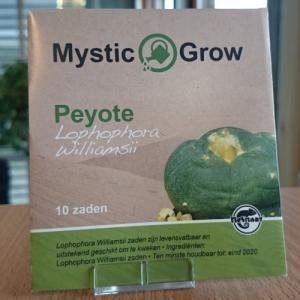
When cultivating peyote, patience is paramount – this is not a plant for those seeking immediate gratification. Growth rates are exceptionally slow, with seedlings taking 2-3 years just to reach a diameter of 1-2 centimeters. Mature specimens, which can be harvested for ceremonial use, may require 10-15 years of growth from seed. For this reason, many Australian enthusiasts prefer to acquire established specimens rather than starting from seed, though both approaches have their merits.
Watering requirements for peyote are minimal, reflecting its adaptation to arid environments. During the growing season (typically spring and summer in Australia), light watering every 2-3 weeks is sufficient, with the soil allowed to dry completely between waterings. In winter, the cactus enters a dormant phase and requires almost no water. Overwatering is the most common cause of failure in peyote cultivation, leading to root rot and fungal infections.
Light requirements are another critical factor – peyote needs bright, indirect sunlight rather than direct exposure, which can cause sunburn. A south-facing window or position under shade cloth that provides 50-70% light filtration works well in most Australian climates. Temperature-wise, peyote prefers warm conditions during its growing phase (20-30°C) but can tolerate cooler temperatures during winter dormancy, provided it’s protected from frost.
For those ready to begin their peyote cultivation journey in Australia, https://buymushroomsaustralia.com offers premium specimens, specialized growing mediums, and expert advice tailored to Australian conditions. Their selection includes both seedlings for patient growers and established specimens for those seeking more immediate results.
The Cultural and Historical Significance of Peyote
The use of peyote spans thousands of years, with archaeological evidence suggesting its ceremonial use dates back at least 5,700 years. Indigenous peoples of North America, particularly the Huichol of Mexico and various Native American tribes, have long regarded peyote as a sacred medicine capable of facilitating profound spiritual experiences and healing. These traditional practices continue today, with peyote ceremonies playing a central role in cultural preservation and spiritual identity for many communities.
The ceremonial use of peyote typically involves consuming the fresh or dried cactus buttons, often prepared in a ritual context with specific prayers, songs, and traditional protocols. Participants report experiences ranging from intense visual hallucinations and emotional release to profound insights and spiritual revelations. These experiences are typically described as highly meaningful and transformative, rather than purely recreational in nature.
In the early 20th century, peyote gained attention outside indigenous communities, particularly through the founding of the Native American Church in 1918, which incorporated peyote ceremonies into Christian-influenced spiritual practices. This led to increased scientific interest in peyote’s psychoactive compounds, particularly mescaline, which was first isolated in 1897 and later synthesized in 1919. These developments contributed to peyote’s inclusion in psychedelic research during the mid-20th century, alongside substances like LSD and psilocybin.
For contemporary Australians interested in the traditional and ceremonial aspects of peyote, it’s important to approach the plant with respect and cultural sensitivity. While direct participation in indigenous ceremonies may not be accessible, studying traditional practices and understanding the cultural context can enrich one’s relationship with this sacred plant. Resources and guidance for respectful engagement with peyote can be found through specialized suppliers like https://buymushroomsaustralia.com, which emphasizes ethical sourcing and education.
Legal Considerations for Peyote in Australia
The legal status of peyote in Australia is complex and varies by jurisdiction, making it essential for enthusiasts to understand the specific regulations that apply in their state or territory. Generally, peyote is classified as a controlled substance due to its mescaline content, with restrictions on possession, cultivation, and consumption. However, there are important distinctions between different parts of the plant and various uses that may be legally permissible in certain contexts.
In most Australian jurisdictions, the cultivation of peyote for ornamental purposes is not explicitly prohibited, provided there is no intent to harvest or consume the cactus for its psychoactive properties. This legal nuance has created a market for peyote as a collector’s plant among cactus enthusiasts. However, the extraction of mescaline or preparation of the cactus for consumption is typically illegal and carries significant penalties under drug laws.
It’s worth noting that some Australian states have made progress toward more progressive drug policies, particularly regarding traditional and ceremonial use of psychoactive plants. While peyote has not been specifically addressed in these policy discussions, there is growing recognition of the cultural significance of sacred plants and the need for more nuanced approaches to their regulation. Advocacy groups continue to work toward legal reforms that would respect traditional practices while preventing misuse.
For Australians navigating these complex legal considerations, consulting with legal professionals and staying informed about current legislation is crucial. Reputable suppliers like https://buymushroomsaustralia.com can provide guidance on the legal status of peyote in different jurisdictions and ensure that all transactions comply with applicable regulations. They prioritize customer education and legal compliance as part of their commitment to responsible peyote engagement.
The Therapeutic Potential of Peyote
Beyond its traditional spiritual uses, peyote has attracted scientific interest for its potential therapeutic applications. Research into mescaline and related compounds has explored their effectiveness in treating various mental health conditions, including depression, anxiety, and addiction. While research has been limited compared to other psychedelics due to legal restrictions, early studies and anecdotal reports suggest promising therapeutic potential.
Contemporary psychedelic research has renewed interest in peyote and its active compounds, particularly as part of the broader reevaluation of psychedelics in mental health treatment. Studies have examined mescaline’s effects on brain function, emotional processing, and consciousness, with some researchers suggesting it may have unique properties compared to other classic psychedelics. The slower onset and longer duration of peyote experiences, for example, may offer different therapeutic benefits than shorter-acting substances.
For individuals in Australia interested in the therapeutic aspects of peyote, it’s important to distinguish between traditional ceremonial use and clinical applications. While indigenous ceremonies have long recognized peyote’s healing properties, modern therapeutic approaches typically involve controlled settings, professional guidance, and integration practices. As research evolves, there may be expanded legal frameworks for therapeutic use in Australia, though this remains speculative at present.
Those seeking to understand peyote’s therapeutic potential should approach the topic with scientific rigor and respect for traditional knowledge. Resources for evidence-based information about peyote and its therapeutic applications can be accessed through specialized suppliers and educational platforms like https://buymushroomsaustralia.com, which bridges traditional wisdom with contemporary scientific understanding.
Sourcing and Acquiring Peyote in Australia
For Australians interested in acquiring peyote, finding ethical and reliable sources is paramount to ensuring both quality and legal compliance. The growing interest in sacred plants has led to an increase in suppliers, but not all prioritize sustainability, ethical harvesting, or customer education. When selecting a supplier, consider factors such as their cultivation practices, transparency about sourcing, and commitment to preserving peyote’s cultural significance.
Ethical considerations play a particularly important role in peyote sourcing due to conservation concerns and the plant’s sacred status in indigenous cultures. Wild peyote populations have been threatened by overharvesting and habitat destruction, leading many conservationists to advocate for cultivated specimens exclusively. Reputable suppliers should be able to provide information about their cultivation methods and ensure that their products do not contribute to the depletion of wild populations.
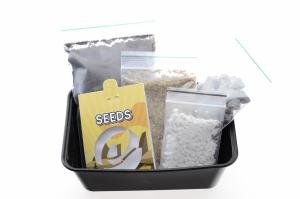
In Australia, specialized suppliers like https://buymushroomsaustralia.com have established themselves as trusted sources for peyote and related sacred plants. Their commitment to ethical sourcing, customer education, and legal compliance sets them apart in a market with varying standards of practice. They offer both established specimens and growing kits for those interested in cultivating their own plants, along with comprehensive guidance for successful cultivation.
When acquiring peyote, consider starting with smaller specimens if you’re new to cultivation, as they tend to adapt more readily to new environments than larger, established plants. Regardless of size or maturity, all peyote specimens require similar care and attention to detail, making proper education essential for success. Investing in quality specimens from reputable sources ultimately saves time, resources, and potential disappointment compared to cheaper alternatives from less reliable suppliers.
Showing all 9 results